

Testing the durability of car bushings is a critical aspect of ensuring the quality and performance of automotive components. As a bushing car supplier, we understand the significance of reliable and long - lasting bushings in vehicles. In this blog, we will explore various methods and considerations for testing the durability of car bushings.
1. Understanding the Role of Car Bushings
Car bushings are essential components that are used to reduce friction, absorb vibrations, and provide support between different parts of a vehicle. They are commonly found in suspension systems, steering linkages, and engine mounts. For instance, in the suspension system, bushings help to isolate the vehicle's body from road shocks and ensure smooth handling. The durability of these bushings directly impacts the overall safety and comfort of the vehicle.
2. Laboratory Testing Methods
2.1 Static Load Testing
Static load testing is one of the fundamental ways to assess the durability of car bushings. In this test, a constant load is applied to the bushing for an extended period. This simulates the real - world scenario where the bushing may be subjected to continuous pressure. For example, a bushing in an engine mount may constantly support the weight of the engine.
We place the bushing in a testing fixture and apply a specific load using a hydraulic or mechanical press. The load is maintained for a set time, typically several hours or even days, depending on the expected service life of the bushing. During this time, we monitor the deformation of the bushing. Excessive deformation indicates that the bushing may not be able to withstand long - term static loads.
2.2 Dynamic Load Testing
Dynamic load testing is more representative of the actual operating conditions of car bushings. In a vehicle, bushings are often subjected to varying loads due to acceleration, braking, and cornering. We use a dynamic testing machine that can apply cyclic loads to the bushing.
The machine can simulate different frequencies and amplitudes of loads. For example, in a suspension bushing, the load frequency may vary depending on the speed of the vehicle and the condition of the road. By applying cyclic loads, we can detect fatigue cracks and material degradation in the bushing. The number of cycles the bushing can withstand before failure is a key indicator of its durability.
2.3 Temperature Cycling Testing
Temperature can have a significant impact on the durability of car bushings. Extreme temperatures can cause the material of the bushing to expand or contract, leading to stress and potential failure. We conduct temperature cycling tests in a climate - controlled chamber.
The bushing is placed in the chamber, and the temperature is cycled between a low and a high value. For example, we may cycle the temperature from - 40°C to 120°C, which covers the typical temperature range a vehicle may encounter in different climates. During each cycle, we monitor the performance of the bushing, such as its stiffness and damping characteristics. Changes in these properties over multiple temperature cycles can indicate a reduction in durability.
3. Real - World Testing
In addition to laboratory testing, real - world testing is also crucial for evaluating the durability of car bushings. We install the bushings in test vehicles and drive them under various conditions.
3.1 Road Testing
We select different types of roads, including smooth highways, rough country roads, and city streets with frequent stops and starts. The test vehicles are driven for a significant number of miles, often tens of thousands of miles. During the road test, we collect data on the performance of the bushings, such as the level of vibration and noise transmitted to the vehicle's interior.
If the bushings start to wear out, we may notice an increase in vibration or a change in the handling characteristics of the vehicle. By analyzing this data, we can determine the durability of the bushings in real - world driving conditions.
3.2 Fleet Testing
Fleet testing involves installing the bushings in a large number of vehicles that are used in different applications. For example, we may supply bushings to a delivery fleet or a taxi company. These vehicles are driven under diverse conditions and for long hours.
By monitoring the performance of the bushings in a fleet of vehicles, we can gather a large amount of data on their durability. We can also identify any potential issues that may only occur in specific operating conditions.
4. Material Analysis
The material of the bushing plays a crucial role in its durability. We conduct various material analyses to ensure that the bushings are made of high - quality materials.
4.1 Chemical Composition Analysis
We use techniques such as spectroscopy to analyze the chemical composition of the bushing material. This helps us to ensure that the material meets the required specifications. For example, in Oil Brass Bushings, the correct proportion of brass and other alloying elements is essential for its performance. Incorrect chemical composition can lead to reduced corrosion resistance and mechanical strength.
4.2 Microstructure Analysis
Microstructure analysis is carried out using microscopy techniques. We examine the internal structure of the bushing material to detect any defects or irregularities. For example, a porous microstructure may indicate poor manufacturing quality, which can reduce the durability of the bushing.
5. Quality Control in Manufacturing
To ensure the durability of car bushings, strict quality control measures are implemented during the manufacturing process.

5.1 In - process Inspection
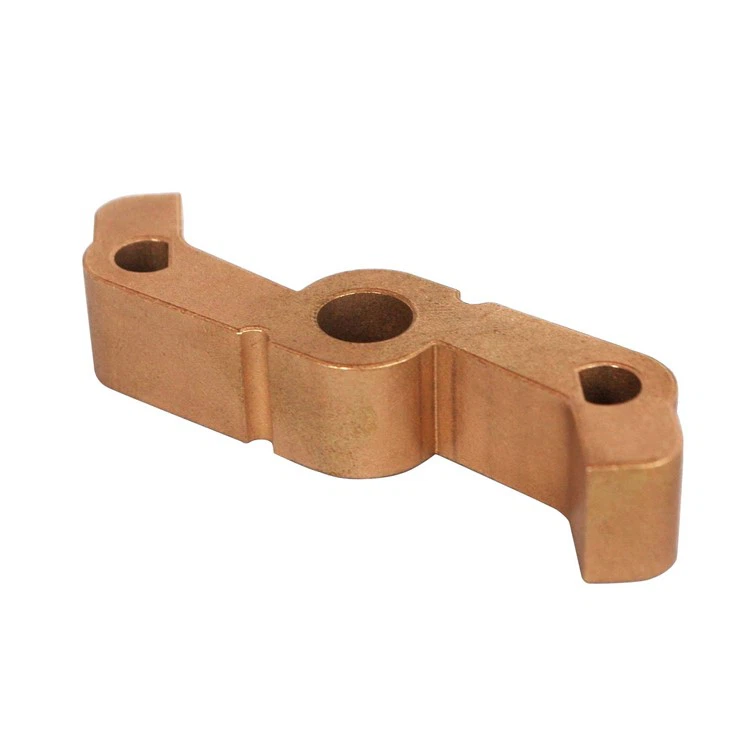
At each stage of the manufacturing process, we conduct in - process inspections. For example, during the molding or machining of the 1 Bushing Sleeve, we check the dimensions and surface finish of the part. Any deviations from the specifications are corrected immediately.
5.2 Final Inspection
Before the bushings are shipped to customers, a final inspection is carried out. This includes a comprehensive check of the physical and mechanical properties of the bushings. We use the testing methods mentioned above to verify that the bushings meet the required durability standards.
6. Importance of Durability Testing for Our Customers
As a Bushing Car supplier, the durability of our bushings is of utmost importance to our customers. For automotive manufacturers, durable bushings mean fewer warranty claims and a better - performing vehicle. For vehicle owners, it means less frequent replacement of bushings, which saves time and money.
By providing high - quality, durable bushings, we can build long - term relationships with our customers. We are committed to continuously improving our testing methods and manufacturing processes to ensure that our bushings meet the highest standards of durability.
7. Contact Us for Procurement
If you are in the market for high - quality car bushings, we invite you to contact us for procurement. Our team of experts can provide you with detailed information about our products and their durability. We can also work with you to customize bushings to meet your specific requirements. Whether you are an automotive manufacturer or a distributor, we are ready to serve you and provide you with the best bushing solutions.
References
- Smith, J. (2018). Automotive Component Testing: A Comprehensive Guide. Publisher X.
- Johnson, A. (2019). Material Science in Automotive Applications. Publisher Y.
- Brown, C. (2020). Durability Testing of Vehicle Parts. Publisher Z.