

Contents
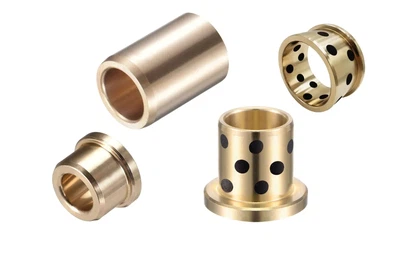
1. Definition of Powder Metallurgy
2. Main stages of powder metallurgy process
3. Process characteristics and advantages of powder metallurgy
4. Parts and products that can be made using powder metallurgy
5. Commonly used metals in powder metallurgy
6. What equipment is commonly used in powder metallurgy?
1. Definition of Powder
Metallurgy
Powder metallurgy is a manufacturing process that produces precision and high-precision
parts by pressing powdered metals and alloys into rigid molds under extreme pressure. With the development and
implementation of technological advances, powder metallurgy has become an indispensable process for the production
of bushings, bearings, gears and various structural parts.
2. Main stages of powder
metallurgy process
Powder metallurgy is a process that forms metal and non-metal powders into a specific
shape. Through steps such as pressing and sintering, welding and growth occur between powder particles, and
finally a product with a certain shape and mechanical properties is formed. The following are the four basic
stages of the powder metallurgy process: powder preparation, mixing and stirring, compression, and
sintering.
2.1.Powder preparation
Powder preparation is the first step of powder metallurgy, which involves processing raw materials into fine
metal powders. This process can be achieved by a variety of methods, including mechanical crushing, chemical vapor
deposition, electrolysis, etc.
2.2. Mixing and stirring
Powder mixing is the process of mixing two or more components of powder evenly. The purpose of this step is to
ensure uniform distribution between powders. During the mixing and blending stage, the powder is mixed with other
powders, binders, and lubricants to achieve the desired properties of the final part. The process can be carried
out wet or dry, depending on the specific powder metallurgy method and part requirements.
The main mixing technologies include rotating cylinder, rotating double cone, spiral mixer in cylinder, and blade
mixer in cylinder.
2.3. Compression
Pressing requires pressing the powder mixture into a specific shape or mold. Proper pressing minimizes voids and
greatly increases the density of the product. The final shape formed is called a green body, indicating that the
part has been formed by this process.
Pressing pressures range from 80MPa to 1600MPa. The required pressure varies according to the characteristics of each metal powder.
For soft powder pressing, the pressure ranges from 100 MPa to 350 MPa. Harder metals such as steel and iron require higher pressures, usually between 400 MPa and 700 MPa.
2.4. Sintering
Sintering is to sinter the initially pressed powder blank by high temperature sintering, so that the powder
particles grow further, and the particles fuse together to obtain a blank with certain mechanical
properties.
The types of sintering are divided into
Ordinary sintering: using ordinary air to heat and sinter the
sintered blank.
Protective atmosphere sintering: carried out in a reducing
atmosphere to reduce oxidation and improve sintering quality.
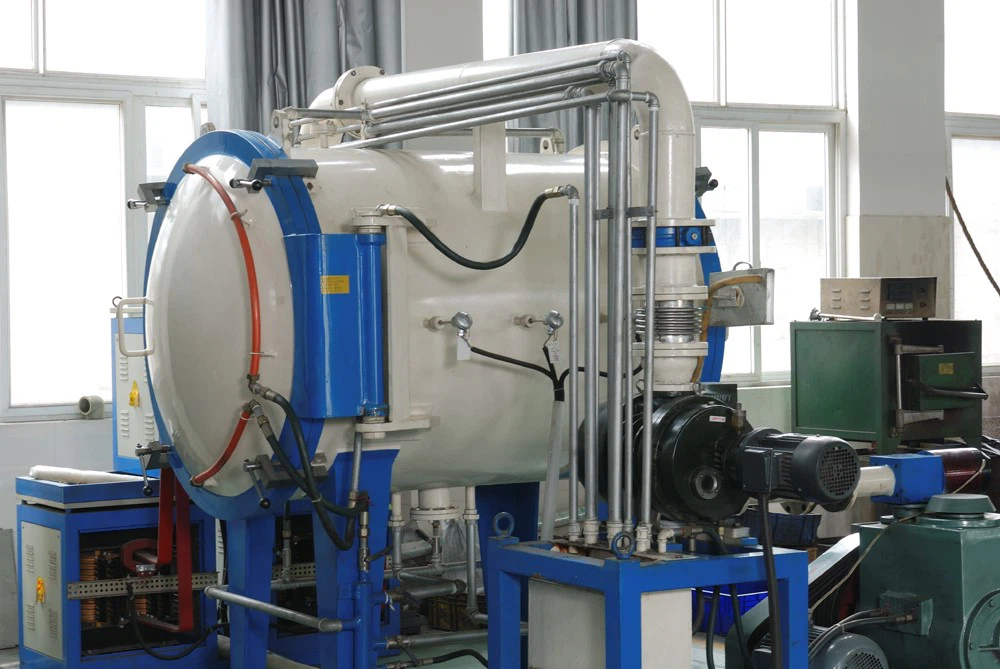
Vacuum sintering: carried out in an oxygen-free environment,
suitable for preparing high-purity materials.
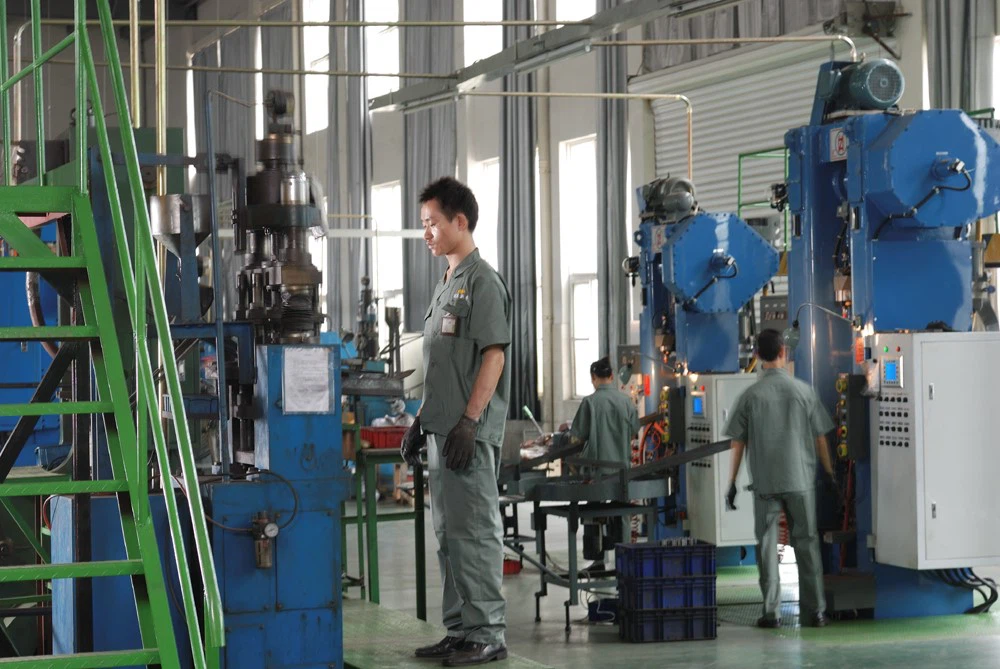
Powder Metal Manufacturing Process
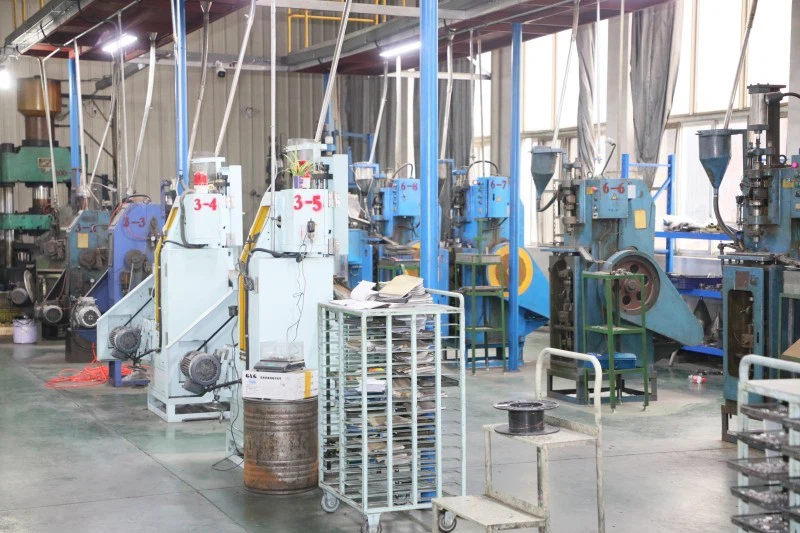
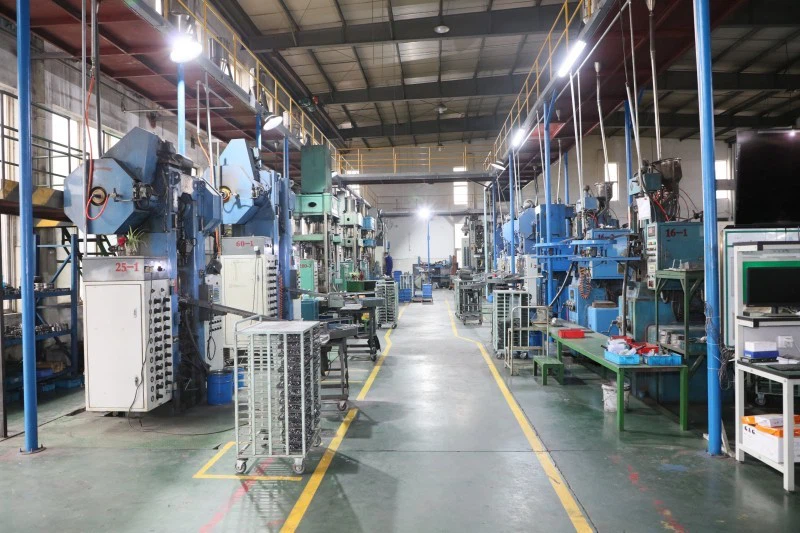
Leading powder metallurgy manufacturers and companies
Freedom Pressed Metals, LLC
Embassy Powder Metals, LLC
MetalKraft Industries, Inc.
Jiande Welfine Technology Co., Ltd
Enhanced Sintered Products, Inc.
3. Process characteristics and advantages of powder metallurgy
3.1. Process characteristics
High material utilization rate: Powder metallurgy technology can achieve near-net shape, reduce subsequent
processes such as cutting, greatly improve material utilization rate, and reduce material costs.
Can manufacture parts with complex shapes: Through special forming processes such as injection molding, isostatic
pressing, etc., parts with complex shapes that are difficult to achieve with traditional processing methods can be
manufactured, meeting the needs of modern industry for diversified parts.
Accurate control of material composition and organization: In the powder metallurgy production process, the
composition and particle size distribution of the powder can be accurately controlled. By adjusting the sintering
process, the organizational structure of the material can also be effectively controlled to obtain products with
excellent performance.
3.2. Advantages
Compared with other methods, the steps involved in powder metallurgy may appear time-consuming, but the numerous
benefits it provides make it a popular production technology.
1) Energy saving: Compared with traditional casting and machining methods, powder metallurgy technology does not require a large number of smelting and processing steps during the production process, reducing energy consumption and having significant energy-saving advantages.
2) Environmental protection: Powder metallurgy is an environmentally friendly production method, and 97% of the materials used become part of the final product. The process produces very little waste and no scrap, because all the powder used will be incorporated into the finished part. In addition to environmental protection, reducing waste can also significantly save costs.
3) Flexibility: Powder metallurgy has an advantage over other methods in that it can combine a variety of metals and nonmetals into one product. By using binders, complex and unique combinations can be created within a single component. The technology simplifies the metallurgical process by easily merging and compressing different materials into a unified form.
Powder metallurgy can produce a variety of shapes, from elaborate designs to basic components such as gears. Advances in the technology are expanding its potential for a variety of innovative applications.
3) Near-net shape: Components made through powder metallurgy generally do not require additional machining. They are close to the final shape and do not require further finishing. In addition, parts made using this method have excellent dimensional accuracy.
4) Raw materials: Production operations often face challenges due to limited supply of raw materials, which can interrupt or delay manufacturing. However, the raw materials for powder metallurgy are both easily available and cost-effective. Powder metals are widely produced and supplied by a wide range of manufacturers. As powder metallurgy has grown, more and more suppliers have emerged to provide the necessary materials to meet the growing demand.
5) Repeatability: Consistency in mass production is critical because each component must meet precise design specifications. Some manufacturing processes can cause defects and variations in parts over time. Powder metallurgy processes eliminate these problems with a consistent and repeatable process, ensuring that each part maintains precise dimensional accuracy.
6) Wear resistance: For parts used in vehicles, aircraft, and machinery, durability is critical to minimizing expensive repairs and replacements. Parts made through powder metallurgy are known for their excellent wear resistance and low coefficient of friction. These qualities ensure that parts produced by this method are durable and reliable.
7) Magnetic properties: Powder metallurgy has the unique advantage of being able to combine various metals together to create magnetic components and control their magnetic properties. The same pressing process used to produce magnets is also applicable to powder metallurgy, so parts made through this method can easily incorporate magnetic properties.
8) Chemical homogeneity: The homogeneity of a substance means that its composition remains consistent no matter where the sample is taken from. This property ensures that the properties of the part are uniform and consistent throughout its structure. Chemical homogeneity is essential to ensure the uniformity, strength, and durability of the component. This is a defining characteristic of powder metallurgy products and contributes to their long-lasting performance.
4.Parts and products that can be made using powder metallurgy
Powder metallurgy is widely used in the manufacturing industry, and it can meet the diverse needs of various applications and production processes. As companies seek more efficient and environmentally friendly methods, many companies choose powder metallurgy, which has excellent process control and minimal waste. Take the following types as examples to introduce the application of powder metallurgy parts.
4.1. Automobile gears
The application of powder metallurgy in automobile manufacturing is closely related to the advancement of material
development and pressing technology. This method can press, form and shape a variety of materials and increase
their density and strength.
Powder metallurgy has significant advantages in the production of automotive parts, including the ability to
manufacture complex shapes in a cost-effective manner. By eliminating waste and scrap, this method reduces or even
eliminates the need for additional finishing or machining.
Iron-based and stainless steel powders are commonly used to manufacture automotive parts. Parts produced with
these materials include: steering components, transmission components, connecting rods, main bearing caps,
variable valve timing, seat applications, etc.
4.2. Jet engine turbine discs
Aviation turbines must withstand extreme temperatures and fluctuating pressures. Turbine discs are essential
components that connect the fan, compressor, and blades of an engine and are made from high-temperature alloys
that meet stringent grades and standards. These turbine discs are carefully machined and finished to ensure
optimal performance.
Turbine discs are produced using powder metallurgy methods of atomized powder and hot isostatic pressing. The
process is complex and challenging as it requires careful control to prevent the introduction of unwanted
particles or impurities.
4.3. Medical Devices
Prosthetic Double Connector Plates
Double connector plates prevent accidental contact with the joint and act as a power transmission mechanism,
connecting the prosthetic knee to the tension device when the knee is bent.
4.4. Surgical Tools
Surgeons require precision tools with superior performance. Blades must be finely ground and precisely ground to
meet stringent specifications. Graspers used in endoscopic surgery are only a few millimeters long and have
complex designs that must be pressure tested before delivery. Tubercle push rods, which are part of the gripper
assembly, have the same dimensions and requirements.
4.5. Gears
Gears are one of the most common parts produced in powder metallurgy. Powder metallurgy provides excellent
precision, which increases the life of the gears. Gears can be made with blind corners, eliminating the need for
undercutting.
Powder metallurgy technology can produce gears that integrate seamlessly with components such as cams, ratchets
and other gears. This method can produce various types of gears, including helical and involute gears.
4.6. Oil and Gas Industry
Carbide and diamond cutting tools are essential for gas and oil exploration. Powder metallurgy uses austenitic and
stainless steels to produce these tools to meet strict dimensional requirements. Valves and manifolds are
carefully designed to withstand harsh, dangerous and demanding conditions.
Powder metallurgy parts manufacturing


5. Commonly used metals in powder
metallurgy
The key factors in selecting powder metallurgy metals include corrosion resistance,
hardness, tensile strength, impact toughness and fatigue strength. Each metal has some or all of these properties,
and the choice depends on the specific requirements of the component being produced.
5.1. Stainless steel
Stainless steel has many excellent qualities that make it the first choice for the production of many components,
the most important of which are corrosion resistance and rust resistance. The stainless steel series used for
powder metallurgy production are 300 and 400. The versatility and adaptability of stainless steel make it ideal
for a wide range of applications.
316L series stainless steel is known for its excellent corrosion resistance, toughness, ductility, and acid resistance. It is commonly used in aerospace components, automotive parts, medical devices, and shipbuilding applications.
5.2. Copper
Copper powder and its alloys have corrosion and rust resistance and are widely used in wet environments. Copper
alloys can be pre-alloyed powders or elemental mixtures. Bronze is a copper alloy composed of copper and tin and
is used to produce self-lubricating bearings.
5.3. Nickel
Nickel is an ideal metal for manufacturing gas turbine and rocket engine components due to its corrosion and high
temperature resistance. Monel is an alloy of copper and nickel that is very hard and resistant to salt water
corrosion.
Nickel is a silvery white, forgeable, hard, and ductile metal. It has good electrical and thermal conductivity and
dissolves slowly in dilute acids.
5.4. Aluminum
Most aluminum parts are made from aluminum alloys because raw aluminum is too soft, too pliable, and too light.
Even when combined with other metals, aluminum remains easy to form and lightweight. It is widely used in various
industries, especially aerospace and automotive applications.
5.5. Iron
Iron powder is a gray-black crystalline material with a density of 7.694 and a melting point of 1837°C. It is
produced by powder metallurgy high-pressure water atomization and sintering temperature of 1121°C. Because
iron is soft, it is usually alloyed with carbon to make steel. Among the metals used in powder metallurgy, iron is
the most prevalent one and is mainly used to make automotive parts such as shafts, rocker arms and oil pump
rotors.
The quality of iron powder varies depending on the production method. Common methods include atomization,
reduction and electrolysis, of which electrolysis produces the purest iron powder.
5.6. Titanium
Of the various metals that can be used in the powder metallurgy process, titanium is the most expensive. It has a
silvery appearance and is valued for its excellent strength and corrosion resistance. The production process of
titanium powder is similar to that of other metals, using a variety of processes. When titanium is processed into
powder, it appears gray or black, but retains its properties in the solid state.
Titanium powder is used to make aircraft, missiles and chemical processing parts. Titanium's high cost stems from its complex production methods, though more affordable technologies are being developed.
5.7. Soft Magnetic Composites (SMC)
Soft magnetic composites are made by coating individual iron particles with an insulating material and then
compacting them. A mold is used to press the coated iron into shape, then heat treated to fix the bond. This
process causes the non-magnetic material to become magnetic when exposed to an electric current, resulting in a
component with high resistivity and minimal eddy current losses.
Sheet molding compounds (SMC) are made from carbon fiber or glass fiber reinforced polyester, with each fiber an inch or more long. The fibers are dipped into a resin bath, which may consist of vinyl ester, polyester, or epoxy. Compression molding is then performed using a hydraulic press to shape the SMC into different parts with various thicknesses, lengths, and intricate details.
Powdered metal manufacturing of sheet molding compounds (SMC) is a cost-effective alternative to layup. The method supports complex geometries with direct magnetic flux, allowing designers to minimize the size, weight, and waste of product designs. Applying the resin material before compression eliminates the need for lamination.
6. What equipment is commonly
used in powder metallurgy?
Each stage of the powder metallurgy process requires specialized equipment customized to
the specific technology. This method used to manufacture structural components and bearings involves various
processes such as powder mixing, stirring, sintering and cooling.
6.1. Water atomization powder making equipment
Atomization is a technology for producing powder in powder metallurgy that uses high-speed water flow to break
molten metal into particles. The process can produce 10 kg to 10,000 kg of powder per batch.
6.2. Presses
The structure of presses in powder metallurgy is similar to that of presses used for metal forming, including
mechanical, hydraulic, anvil, rotary, isostatic and transfer forming presses. These presses can compress various
materials into various shapes, sizes and densities according to the needs of different parts.
The operation of the press is divided into three stages. In the first stage, the powder material slides and fills all pores, while rapid compression occurs when pressure is applied. The pressure in the second stage increases more than the first stage, while the change of the green body is small. In the final stage, the pressure continues to rise sharply, causing the powder particles to deform and increase the density of the workpiece.
6.3. Sintering Equipment
After compaction, the part is not yet stable enough to be used and must be heated to solidify. This process,
called sintering, involves heating the part to form a solid block, but not to melt it. The sintering machine
precisely controls the temperature to keep it below the melting point of the powdered metal.
Sintering is a critical step in the powder metallurgy process because it gives the workpiece mechanical strength, density, and translucency.
6.4. Laser Sintering
Laser sintering is an integral part of additive manufacturing and complements the powder metallurgy process. Also
known as selective laser sintering, the technique uses a laser to fuse powder into a solid structure, similar to
traditional sintering methods.
Laser sintering uses a focused laser to fuse powder into a solid to create the final part. The laser path is controlled by a computer-aided design (CAD) file that directs the laser to specific points to bond the material and form the final structure.
Summary
1.Powder metallurgy is a process of pressing metal or alloy powders into a rigid mold at
high pressure to create a finished product.The process of precision parts has the advantages of high material
utilization and near net shape, and is widely used in the fields of automobiles, aerospace, etc.
2. The core process of powder metallurgy includes powder preparation, mixing, pressing and sintering. The sintering stage is a key step to ensure the mechanical properties and precision of parts by fusing particles at high temperature.
3. As a technology that combines ancient traditions with modern innovation, powder metallurgy can efficiently process ferrous metals (such as iron and steel) and non-ferrous metals (such as aluminum and titanium), meet the manufacturing needs of complex shapes and high-performance materials, and promote the sustainable development of industry with its energy-saving and environmental protection characteristics.