

Discover how to machine bronze bushings for optimal performance. Compare alloys, processes, and benefits using charts, tables, and expert insights.
Machined To Print – Custom Bronze Components
Our expertise extends beyond custom bronze bushings. We offer custom-machined bronze components, including:
- Bronze bushings & bearings
- Bronze castings
- Bronze wear plates
- Grooves for lubrication
- Graphite-plugged bushings for lubrication
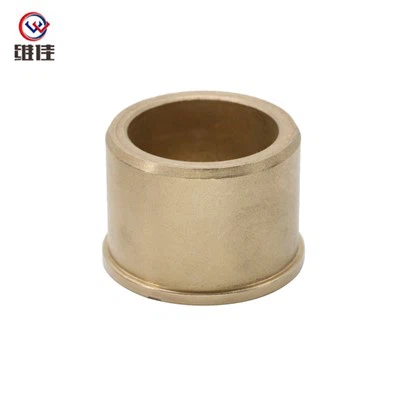
- Custom flanged bronze bushings
Bronze bushings, or plain bearing bushings, are critical components in machinery for reducing friction and wear. Machining them correctly ensures longevity, efficiency, and cost savings. In this guide, we'll break down bronze bushing machining using charts, tables, and contrasting logic to simplify complex concepts.



Why Bronze Bushings? Key Advantages
Bronze is a top choice for bushings due to:
Low friction and self-lubricating properties.
High load capacity and thermal conductivity.
Corrosion resistance in harsh environments.
👉 Contrasting Logic: Unlike polymer bushings, bronze handles higher loads and temperatures. Compared to steel, it's quieter and requires less lubrication.
Types of Bronze Alloys for Bushings
Not all bronze is the same. Here's a comparison of common alloys:
| Alloy Type | Composition | Hardness (BHN) | Load Capacity | Best For |
|---|---|---|---|---|
| SAE 841 | 85% Cu, 15% Sn | 70–85 | Medium | General-purpose machinery |
| SAE 863 | Cu, Sn, Pb, Zn | 60–75 | High | High-speed applications |
| SAE 844 | Cu, Sn, Pb, P | 80–100 | Very High | Heavy industrial use |
Chart Insight: SAE 863 offers the best balance of speed and load, while SAE 844 excels in extreme conditions.
Machining Processes for Bronze Bushings
Step-by-Step Guide
Material Selection (see table above).
Turning & Boring: Shape the outer/inner diameters.
Grinding: Achieve tight tolerances (≤0.001").
Lubrication: Use cutting fluids to prevent overheating.
Machining Tips
| Parameter | Optimal Practice | Suboptimal Practice | Impact |
|---|---|---|---|
| Cutting Speed | 150–300 SFM | >400 SFM | Tool wear, poor surface finish |
| Tool Material | Carbide or HSS | Low-grade steel | Reduced precision |
| Lubrication | Water-soluble oils | Dry machining | Overheating, deformation |
Bronze vs. Other Bushing Materials
| Material | Advantages | Disadvantages |
|---|---|---|
| Bronze | High durability, heat resistance | Higher cost vs. polymers |
| Steel | Extreme load capacity | Requires frequent lubrication |
| Polymer | Lightweight, corrosion-proof | Low thermal resistance |
Contrasting Logic: Bronze outperforms polymers in heavy-duty settings and steel in low-maintenance applications.
Application s of Bronze Bushings
Automotive: Suspension systems, engines.
Industrial: Pumps, compressors, conveyor systems.
Marine: Propeller shafts, rudders.
Maintenance Tips for Longevity
Lubricate Regularly: Use high-temperature grease.
Monitor Wear: Check for scoring or discoloration.
Align Components: Misalignment accelerates wear.
| Maintenance Task | Frequency |
|---|---|
| Lubrication | Every 500–1,000 hours |
| Inspection | Quarterly |
| Replacement | 5–10 years (varies) |
Conclusion
Machining bronze bushings requires precision, but the payoff is unmatched reliability. By selecting the right alloy, optimizing machining parameters, and adhering to maintenance schedules, you'll maximize performance. Use the tables and charts above to simplify decision-making and contrast bronze with alternatives.
Need custom bronze bushings? [Contact us] for expert machining tailored to your needs!