

When designing and manufacturing machinery or equipment, choosing the right components is critical. Two common choices for supporting rotating or sliding shafts are bearings and bushings. While their purposes are similar, understanding the differences between these two components is critical to making an informed decision. In this blog post, we will explore bearings vs. bushings, discuss their unique features, and help you determine the right choice for your manufacturing needs.
Content
3. Differences between bearings and bushings
4. Considerations for selecting bearings and bushings
5. Considerations from the manufacturing perspective
6. Common applications of bearings and bushings
7. Summary
1. Basic concept of bearings
A bearing is a mechanical element whose main function is to reduce friction and support rotating or reciprocating mechanical parts. Bearings are widely used in automobiles, aerospace, industrial equipment, household appliances and other fields. According to the structure and working principle, bearings can be divided into the following main types:
Rolling bearings (Ball Bearings)
Composed of balls and raceways, they can withstand radial and a certain degree of axial loads and are suitable for high-speed equipment such as motors, automobile wheels, etc.
Roller bearings (Roller Bearings)
Using rollers instead of balls, roller bearings can withstand greater loads than ball bearings and are suitable for heavy machinery such as industrial gearboxes, conveying equipment, etc.
Plain Bearings
Composed of smooth surfaces, usually made of metal, plastic or composite materials, suitable for low-speed and high-load conditions, such as ship propulsion systems or heavy industrial equipment.
Angular Contact Bearings
Suitable for situations where both radial and axial loads are applied, such as machine tool spindles and precision instruments.
When selecting bearings, buyers need to consider their load-bearing capacity, rotation speed, maintenance requirements and service life to ensure long-term stable operation of the equipment.
Our Products


2. Basic Concept of Bushings
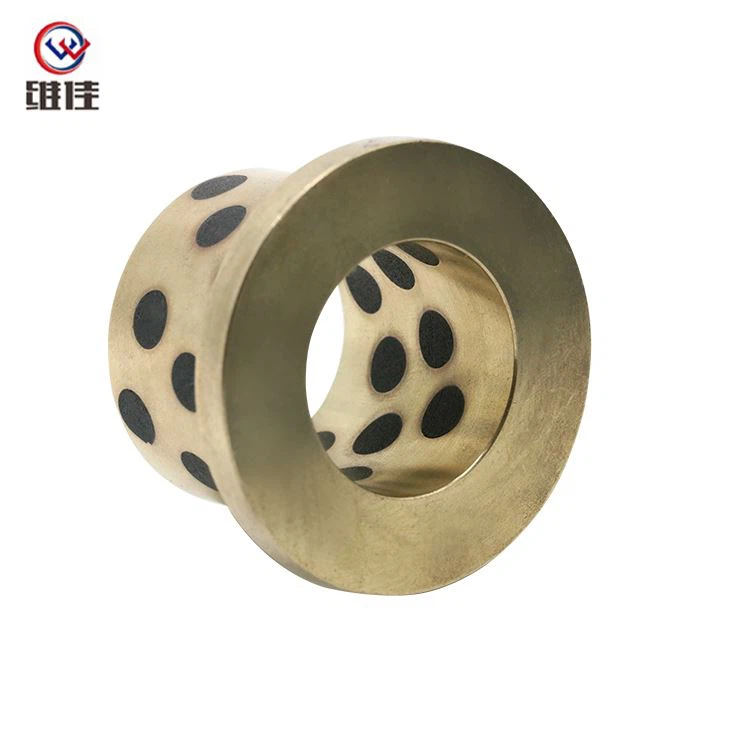
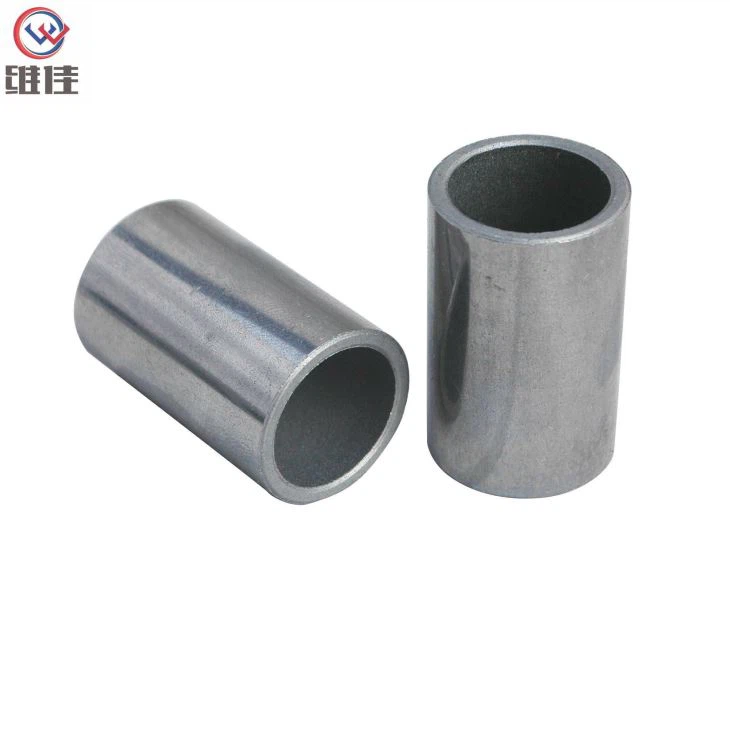
Bushings, also known as sleeves, are a form of sliding bearings, usually made of bronze, stainless steel, engineering plastics or composite materials. They are widely used in situations where friction needs to be reduced, vibrations need to be absorbed or support needs to be provided. The main types of bushings include:
Metal bushings (such as bronze, brass, stainless steel)
Suitable for high temperature, high load and corrosion-resistant applications, such as mining equipment, marine engineering, etc.
Plastic bushings (such as POM, nylon, PTFE)
Suitable for light applications, with good self-lubrication and wear resistance, commonly found in industries such as food processing and medical equipment.
Composite bushings (such as metal + PTFE layer)
Combines the advantages of metal and high-performance polymers and is suitable for high-precision applications such as aerospace, precision machinery, etc.
Compared with bearings, bushings are generally more suitable for low-speed, high-load and intermittent motion applications. In addition, many oil-free bushings can run without lubrication, reducing maintenance costs.
3. The difference between bearings and bushings
| Comparison items | Bearings | Bushings |
|---|---|---|
| Motion | Rotation | Linear sliding or rotation |
| Coefficient of friction | Low (due to rolling contact) | Relatively high (due to sliding contact) |
| Load capacity | Suitable for high speeds and low loads | Suitable for low speeds and high loads |
| Lubrication requirements | Lubrication required (unless sealed bearings) | Many bushings are self-lubricating |
| Maintenance requirements | Regular maintenance required | Minor or no maintenance |
| Application scenarios | Suitable for high-speed, high-precision equipment | Suitable for high-load, low-speed applications |
When choosing bearings or bushings, buyers need to weigh the specific needs of the application scenario.
4. Considerations for selecting bearings and bushings
In the global procurement process, buyers need to consider multiple factors to ensure that the selected products can meet project requirements:
Load and speed requirements
If the equipment needs to run at high speed, it is recommended to choose rolling bearings.
If the equipment is subject to high loads but runs at low speeds, bushings may be a better choice.
Environmental factors
In high temperature, high humidity, and corrosive environments, high temperature or corrosion resistant materials (such as stainless steel bearings or composite bushings) should be selected.
In environments with high cleanliness requirements (such as the food processing industry), self-lubricating bushings are more ideal.
Maintenance and life
Bearings require regular lubrication and maintenance, while oil-free bushings generally reduce maintenance requirements.
Buyers need to weigh maintenance costs against service life.
Cost and supply chain
Bearings are generally more expensive to manufacture, while bushings are relatively economical.
When sourcing globally, consider the reliability, delivery time, and after-sales support of suppliers.
5. Considerations from a manufacturing perspective
From a manufacturer's perspective, the process requirements for producing bearings and bushings vary:
Bearing manufacturing involves processes such as high-precision turning, grinding, and heat treatment, which are relatively complex and costly.
Bushing manufacturing generally uses processes such as casting, sintering, injection molding, or composite lamination, which are relatively simple and suitable for mass production.
When choosing a supplier, buyers should pay attention to whether the production process meets international standards, such as the ISO 9001 quality management system.
6. Common applications of bearings and bushings
| Application areas | Bearing applications | Bushing applications |
|---|---|---|
| Automotive industry | Wheel bearings, engine bearings | Suspension bushings, door hinge bushings |
| Industrial machinery | High-speed transmission systems, rollers | Low-speed heavy-load joints, hydraulic equipment |
| Aerospace | Turbine bearings, avionics equipment | Cabin moving parts, aviation hinges |
| Medical equipment | High-speed dental drills, MRI scanners | Surgical equipment, stents |
| Food processing | Conveyor belt bearings | Self-lubricating antibacterial bushings |
7. Summary
Whether choosing bearings or bushings, decisions need to be made based on factors such as application requirements, working environment, maintenance costs, and manufacturing requirements. For high-speed, low-friction equipment, bearings are the best choice; for low-speed, high-load, low-maintenance applications, bushings may be more suitable. When buyers select suppliers worldwide, they need to pay attention to quality standards, production processes and logistics costs to ensure the smooth progress of the project.
By deeply understanding the differences between bearings and bushings, buyers can make more informed decisions and provide the best support for equipment operation.
FAQ
Q1: What are the primary benefits of using a steel bushing sleeve in mechanical applications?
A1: The primary benefits of using a steel bushing sleeve in mechanical applications include its high strength and durability, resistance to wear and corrosion, and excellent load-bearing capacity. Steel bushing sleeves provide reliable support and alignment for rotating or sliding shafts, reducing friction and extending the lifespan of the machinery. Additionally, they can withstand high temperatures and harsh environmental conditions, making them ideal for demanding industrial applications.
Q2: How does a steel bushing sleeve compare to other materials, such as bronze or plastic, in terms of performance?
A2: Compared to bronze or plastic bushings, steel bushing sleeves offer superior performance in terms of strength, durability, and load-bearing capacity. While bronze bushings are known for their good friction properties and plastic bushings for their lightweight and corrosion resistance, steel bushings excel in high-stress applications where maximum strength and wear resistance are crucial. Steel bushings are less prone to deformation under heavy loads and can better withstand impact and abrasive conditions, making them a preferred choice for heavy-duty machinery.
Q3: What factors should be considered when selecting a steel bushing sleeve for a specific application?
A3: When selecting a steel bushing sleeve for a specific application, several factors should be considered, including the load capacity, operating environment, and required tolerance levels. It's important to evaluate the shaft diameter and the bushing's inner and outer dimensions to ensure a proper fit. Consideration should also be given to the type of motion (rotational or linear), the presence of corrosive elements or extreme temperatures, and the need for lubrication. Choosing a bushing sleeve with
Get to know us and get the products you want most.